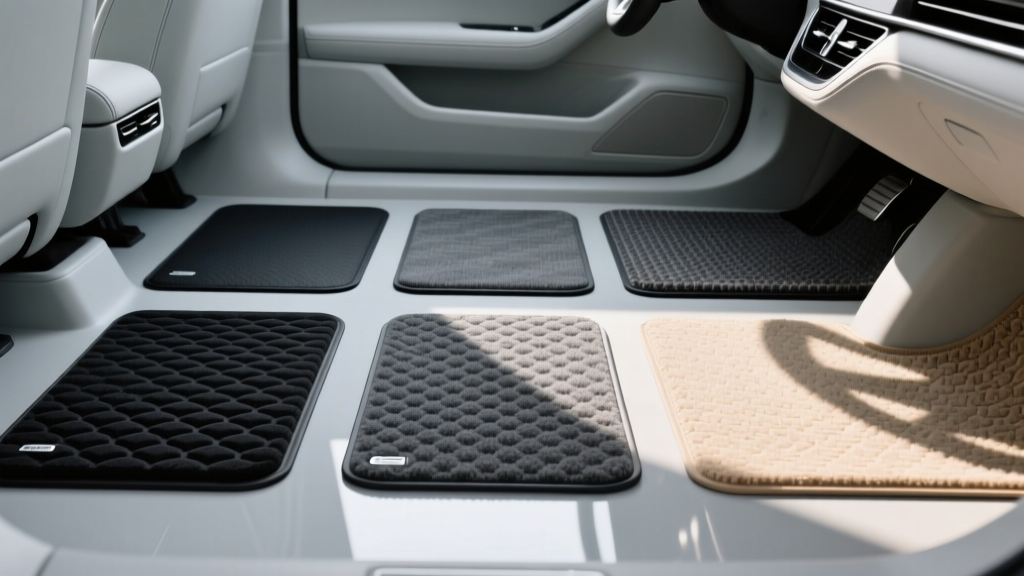
Floor Mats Buying Guide: Best Choices for Your Car (2026)
Floor mats don?t get the spotlight like wheels or audio upgrades, but they quietly do some of the hardest work in your vehicle. Every muddy boot, spilled coffee, winter salt crust, sandy flip-flop, and dog paw print lands on your mats first. The right set protects your carpet, helps maintain resale value, and makes routine cleaning faster?sometimes by a lot.
They also affect daily comfort and safety. A poorly fitting mat can bunch up under the pedals, a slick surface can send your heel sliding, and a low-quality material can stink in summer heat. If you?ve ever fought stubborn salt stains or vacuumed ground-in grit for an hour, you already know why mat choice matters.
This guide breaks down the main floor mat types, materials, fitment options, and real-world use cases so you can confidently buy mats that match your vehicle and your lifestyle.
Why Floor Mats Matter More Than You Think
Floor mats are more than a cosmetic accessory. They?re a protective layer that takes a beating so your vehicle?s original carpet doesn?t have to. Here?s what good mats deliver:
- Protection: Traps moisture, mud, sand, and road salt before it hits the carpet backing.
- Easier cleaning: Removing and rinsing a mat beats deep-cleaning carpet fibers.
- Safety: Proper anchoring and fit reduces the risk of pedal interference.
- Comfort: Better heel traction and support, especially on long drives.
- Resale value: Clean, unstained carpets can make a big difference in perceived condition.
Floor Mat Types: Know What You?re Buying
1) Carpet Floor Mats (OEM-style)
Carpet mats are the classic choice and often come with the vehicle. They look ?factory,? feel soft underfoot, and fit nicely when you buy model-specific versions.
- Best for: Mild climates, mostly dry conditions, drivers who prioritize a stock look.
- Pros: Comfortable, quiet, visually blends with the interior.
- Cons: Absorbs moisture, can stain, holds odors, struggles with salt and mud.
Real-world example: If your commute is mostly paved roads and you rarely track in wet debris, upgraded carpet mats with a reinforced heel pad can feel premium and keep the cabin looking sharp.
2) All-Weather Rubber Mats
Rubber mats are designed for durability and easy cleanup. Many have channels or raised patterns to hold water and debris away from shoes.
- Best for: Rainy seasons, snow regions, messy job sites, kids and pets.
- Pros: Water-resistant, quick to hose off, strong traction.
- Cons: Some cheaper options smell strongly, can curl at edges, may look utilitarian.
3) Thermoplastic ?All-Weather? Liners (TPE/TPR)
These are the modern ?floor liners? you see with higher sides and a more precise, tray-like shape. They?re typically made from TPE (thermoplastic elastomer) or similar materials designed to handle temperature swings without cracking.
- Best for: Snow + salt, outdoor lifestyles, vehicles you want to keep pristine.
- Pros: Great containment (raised edges), easy cleaning, often odor-free compared to low-grade rubber.
- Cons: Higher cost; some styles can feel stiffer underfoot.
Practical tip: If you routinely deal with slush, choose liners with tall sidewalls and a defined dead-pedal cover. That?s where salt stains often start.
4) Universal/Trim-to-Fit Mats
Universal mats can be a budget-friendly option, but they?re a mixed bag. Some are acceptable for light duty; others slide around or leave gaps.
- Best for: Temporary coverage, older vehicles, tight budgets.
- Pros: Cheap, widely available, easy to replace.
- Cons: Fitment gaps, weaker retention, higher chance of pedal interference if poorly sized.
5) Specialty Mats (Luxury, Diamond-Stitched, Heavy-Duty)
These range from plush premium carpet sets to stitched ?VIP? style mats and heavy-duty commercial-grade options. Quality varies widely, so look closely at backing, retention, and edge binding.
Materials Breakdown: What Matters and Why
The material determines durability, grip, odor, and how well the mat handles water and temperature.
Carpet (Nylon vs. Polypropylene)
- Nylon: Typically softer and more durable; resists crushing better over time.
- Polypropylene: Often cheaper; can wear faster and flatten in high-traffic areas.
Look for: A reinforced heel pad, tight loop construction, and quality edge binding to prevent fraying.
Rubber
- Pros: Naturally waterproof and grippy.
- Watch-outs: Strong rubber odor, curling edges in extreme cold/heat, overly soft mats that deform.
TPE/TPR (Thermoplastic Elastomer/Rubber)
- Pros: Often low-odor, flexible in cold weather, durable, easy to clean.
- Watch-outs: Cheaper blends can feel slick when wet; verify texture and tread pattern.
Fitment: Custom vs. Semi-Custom vs. Universal
Fit is where you win or lose. A mat that fits well protects better, looks better, and stays put.
Custom-Fit / Vehicle-Specific
- Contours match your exact floor shape.
- Usually integrates factory retention clips.
- Best coverage around pedals, seat rails, and door sills.
Semi-Custom
- Designed for a vehicle class (compact SUV, full-size truck) rather than one model.
- Better than universal, but expect some gaps.
Universal
- One-size-ish approach with trimming lines.
- Most likely to slide or bunch if not anchored properly.
Step-by-Step: How to Choose the Right Floor Mats
-
Start with your climate and use case.
- Snow/salt: prioritize high sidewalls and full coverage.
- Beach/sand: look for deep channels that trap grit and easy shake-out designs.
- City commuting: carpet or low-profile all-weather may be enough.
-
Decide your top priority: protection, looks, or easy cleaning.
- Maximum protection: TPE liners or deep-dish rubber.
- Factory look: upgraded carpet with retention clips.
- Fast cleanup: rubber or TPE with smooth, rinse-friendly surfaces.
-
Verify fitment details for your exact trim.
- Check whether you have a dead pedal, subwoofer hump, or unusual floor contour.
- Confirm compatibility with hybrid/EV trims if floor shape differs.
-
Confirm retention/anchoring.
- Look for factory-style grommets or a secure anti-slip backing.
- A driver mat should lock down firmly?no exceptions.
-
Check edge height and coverage areas.
- Raised edges help contain spills and slush.
- Coverage near door sills reduces salt-stained carpet along the threshold.
-
Think about rear coverage and cargo area needs.
- Families: rear mats are where snacks and muddy shoes land.
- Dogs/gear: consider a cargo liner with a bumper lip protector if available.
-
Read the cleaning and odor notes.
- If reviews mention strong smell, plan on airing them out?or choose another set.
- For carpet mats, verify whether they?re stain-resistant and have a heel pad.
Feature Checklist: What to Look For Before You Buy
- Retention system: Factory clip holes, posts, or aggressive anti-slip nibs.
- Driver heel pad: Essential for carpet mats to prevent wear-through.
- Raised edges / ?tray? design: Helps contain liquids and slush.
- Channel design: Deep grooves hold water and grit away from shoes.
- Sidewall stiffness: Too soft collapses; too stiff can leave gaps.
- Odor level: Especially with rubber?check reviews.
- Coverage of dead pedal: Common high-wear area many mats ignore.
Product Recommendations: Which Style Fits Your Lifestyle?
Instead of pushing one ?best? mat for everyone, match the type to how you actually use your vehicle.
Best for winter, salt, and heavy mess: Custom-fit TPE floor liners
- Why: Excellent containment and easy cleanup.
- What to look for: Tall sidewalls, rigid edges that stay upright, and a textured heel zone.
- Ideal driver profile: Ski trips, snow belts, rural roads, job sites.
Best for balanced daily driving: Quality all-weather rubber mats
- Why: Durable and cost-effective with solid traction.
- What to look for: Low-odor rubber, retention grommets, deep channels.
- Ideal driver profile: Urban/suburban commuting with occasional rain and dirt.
Best for a factory look: Premium carpet mats
- Why: Matches interior aesthetics and feels comfortable.
- What to look for: Dense pile or tight loops, heel pad, color-matched binding, retention clips.
- Ideal driver profile: Garage-kept vehicles, fair-weather cars, enthusiasts maintaining an OEM vibe.
Best budget stopgap: Universal mats (with caution)
- Why: Cheap coverage when you need something now.
- What to look for: Secure anti-slip backing and minimal trimming near pedals.
- Ideal driver profile: Older cars, temporary use, secondary vehicles.
Common Mistakes to Avoid
- Buying universal mats for the driver footwell without checking pedal clearance. A mat that slides forward can become a safety hazard.
- Choosing shallow mats in snow country. Slush spills over low edges and soaks into carpet padding, where odors start.
- Ignoring retention clips. If your vehicle has factory anchors, use mats designed to lock into them.
- Assuming ?rubber? automatically means no smell. Some low-quality compounds off-gas heavily, especially in heat.
- Not covering the rear floor. Rear mats matter for kids, passengers, and anyone stepping in with wet shoes.
- Cleaning incorrectly. Harsh chemicals can discolor rubber and degrade carpet backing; use mild soap and water unless the manufacturer specifies otherwise.
Care and Cleaning: Keep Mats Looking New
How to clean all-weather rubber or TPE mats (quick routine)
- Remove mats and shake off loose debris.
- Rinse with a hose or low-pressure sprayer.
- Use mild car wash soap and a soft brush for stubborn grime.
- Rinse thoroughly and let them air dry (avoid leaving them dripping inside the car).
- Reinstall and verify the driver mat locks into the retention points.
Tip: For winter salt, clean more often than you think. Salt crystals act like abrasives and can dull surfaces over time.
How to clean carpet mats (without making them worse)
- Vacuum thoroughly, especially the edges and binding.
- Spot treat stains with an upholstery-safe cleaner.
- Agitate gently with a soft brush, then blot?don?t soak the backing.
- Allow full drying before reinstalling to prevent mildew odors.
Tip: If your carpet mats get saturated, remove them and dry them outside the vehicle. Moisture trapped against the floor carpet can lead to lingering smells.
Floor Mat Fit and Safety Check (Do This After Installation)
Once you install new mats, take 60 seconds to confirm everything is secure:
- Driver mat is clipped/locked into factory anchors (if equipped).
- Mat lays flat with no curl near the accelerator or brake pedal.
- Full pedal travel is unobstructed.
- No shifting when you twist your heel or enter/exit the vehicle.
FAQ: Floor Mat Selection
Are floor liners better than floor mats?
For maximum protection, yes. Floor liners (typically TPE) usually have raised edges and more precise coverage, which helps contain water, slush, and spills. Traditional mats can look more OEM and feel softer, but they?re often less effective at containment.
Do I need all-weather mats if I already have carpet mats?
If you deal with rain, snow, mud, pets, or kids, all-weather mats make life easier and protect the carpet underneath. Many owners run all-weather mats year-round and keep carpet mats stored for resale or special occasions.
How do I stop my floor mats from sliding?
Use mats designed for your vehicle?s retention system (hooks/posts), and make sure the anchors are actually engaged. If your car doesn?t have anchors, look for aggressive anti-slip backing and a mat shape that matches your floor contours.
What?s the best floor mat material for winter salt?
TPE liners or deep-channel rubber mats work best. The key is tall sidewalls and a tray design that prevents salty slush from spilling onto the carpet, especially near the door sills and dead pedal area.
Are expensive mats worth it?
They can be, especially if you keep your vehicles a long time or you?re protecting a newer interior. Higher-quality mats often fit better, last longer, smell less, and provide better coverage?meaning fewer carpet stains and less time cleaning.
Next Steps: Choose Mats That Match Your Real Life
Start by being honest about your driving conditions?snow, sand, pets, kids, or work boots?and choose mats that match that reality. For most owners who want strong protection with minimal hassle, a custom-fit all-weather liner set is the most straightforward upgrade. If you prefer a factory look and you drive mostly in fair weather, premium carpet mats with secure retention can be a great fit.
Once you buy, install them carefully, do the quick safety check around the pedals, and clean them regularly. Your carpet (and your future self) will thank you.
Want more interior upgrades and maintenance tips? Explore our latest guides at carinteriormix.com for practical, enthusiast-friendly advice.